A Simple Guide for Beginners
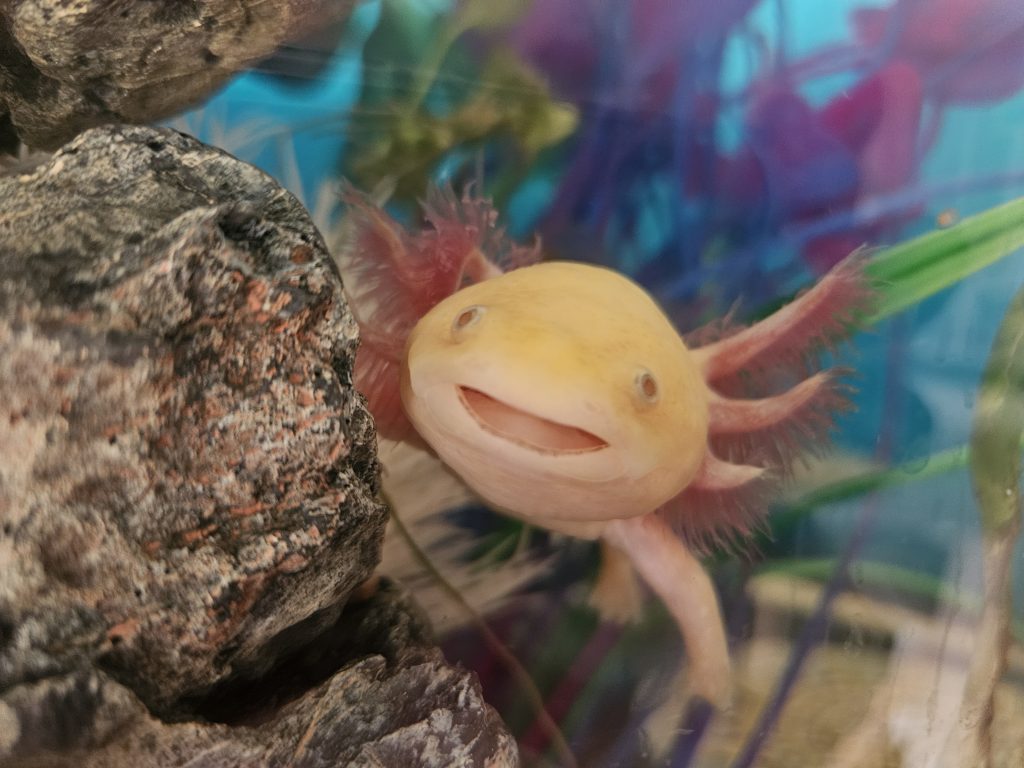
Axolotls, unique aquatic pets, need a well-prepared setup to stay healthy and happy. This guide explains everything you’ll need to create a comfortable home for them.
The Tank
Your axolotl’s tank is its main habitat. Here’s what to consider:
- Size: Use a tank that’s at least 100 litres for one axolotl. Add an additional 50 litres per additional axolotl in the tank.
- Shape: Choose a long tank, as axolotls prefer horizontal swimming areas.
Water Care
Clean and safe water is crucial for axolotls. You’ll need:
- Filter: Axolotls make plenty of waste, so a good filter is essential. Use one with adjustable flow settings since they like calm water and is recommended for double or triple the capacity of your tank. Its beneficial to have two filters, including one sponge filter and one canister or internal filter. The sponge is good for bacteria growth, while the other is great for circulating the water.
- Water Conditioner: Tap water can have harmful chemicals. A conditioner will make it safe for your axolotl. Seachem Prime is the best product on the market and is widely recommended as the best one for Axolotls.
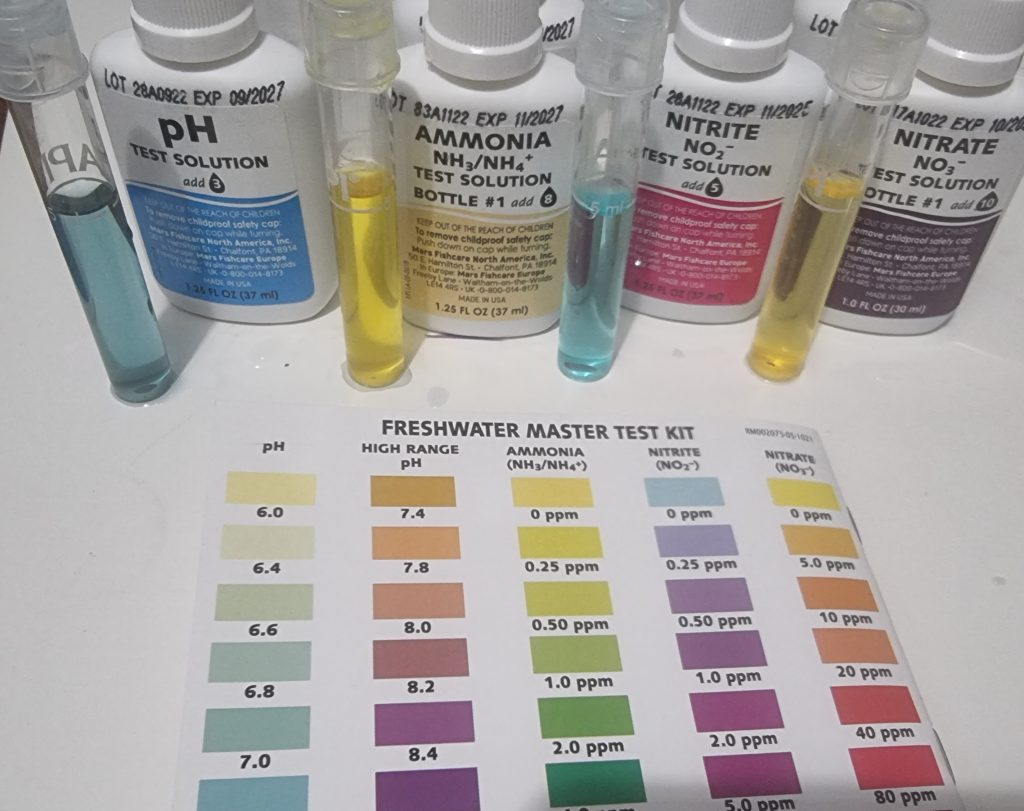
- Test Kits: Regularly monitor ammonia, nitrite, nitrate, and pH levels. Aim for a pH of 6.5–7.5, and keep ammonia, nitrite at zero and your nitrate between 5 – 10 ppm. Your Use the API master test kit, not the test strips.
- Water hardness: Use the API hardness GH and KH test kit to ensure your water is the correct hardness. Use Seachem Equilibrium to adjust if too low.
- Thermometer: Axolotls thrive in cool water, between 16–18°C (60–65°F). Use a thermometer to check the temperature.
- Chiller: If you live in a warm area, you may need a chiller to keep the water from overheating. If you keep the room cool, you should be able to use aquarium fans, but best to check the temperature over a few weeks, while cycling to see what the temperature is at before you invest in either option.
- Air stones: Oxygen in the water helps your axolotl breath easier. Using a 10cm disc air stone will also give them something to play on.
Substrate
The tank floor needs safe material:
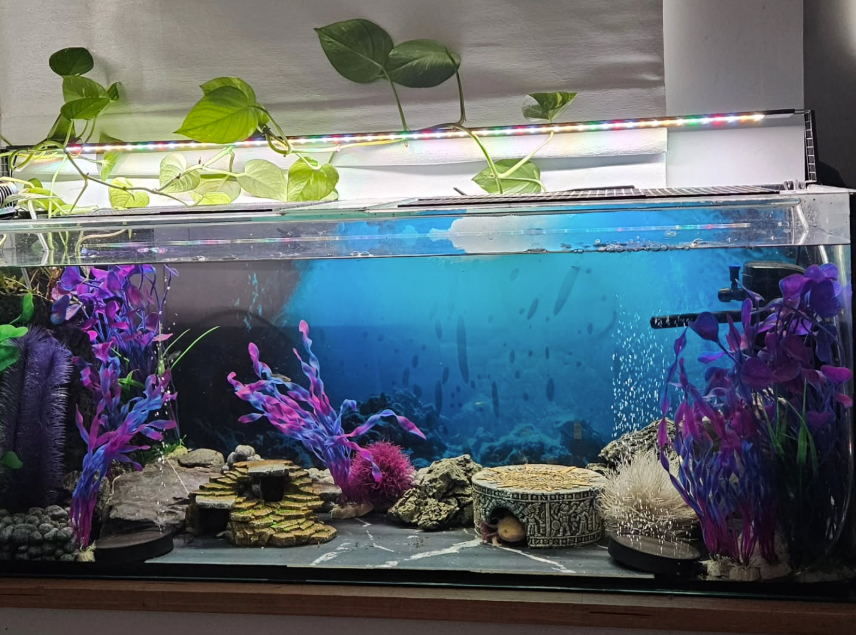
- Fine Sand: This is safe for axolotls as it reduces the risk of them swallowing it. Avoid gravel or coarse sand as this can cause compaction.
- Floor tiles: My personal preferred substrate is ceramic floor tiles. I prefer tanks without sand substrate as it’s much easier to cleaning.
Decorations and Places to Hide
Axolotls like to hide and explore:
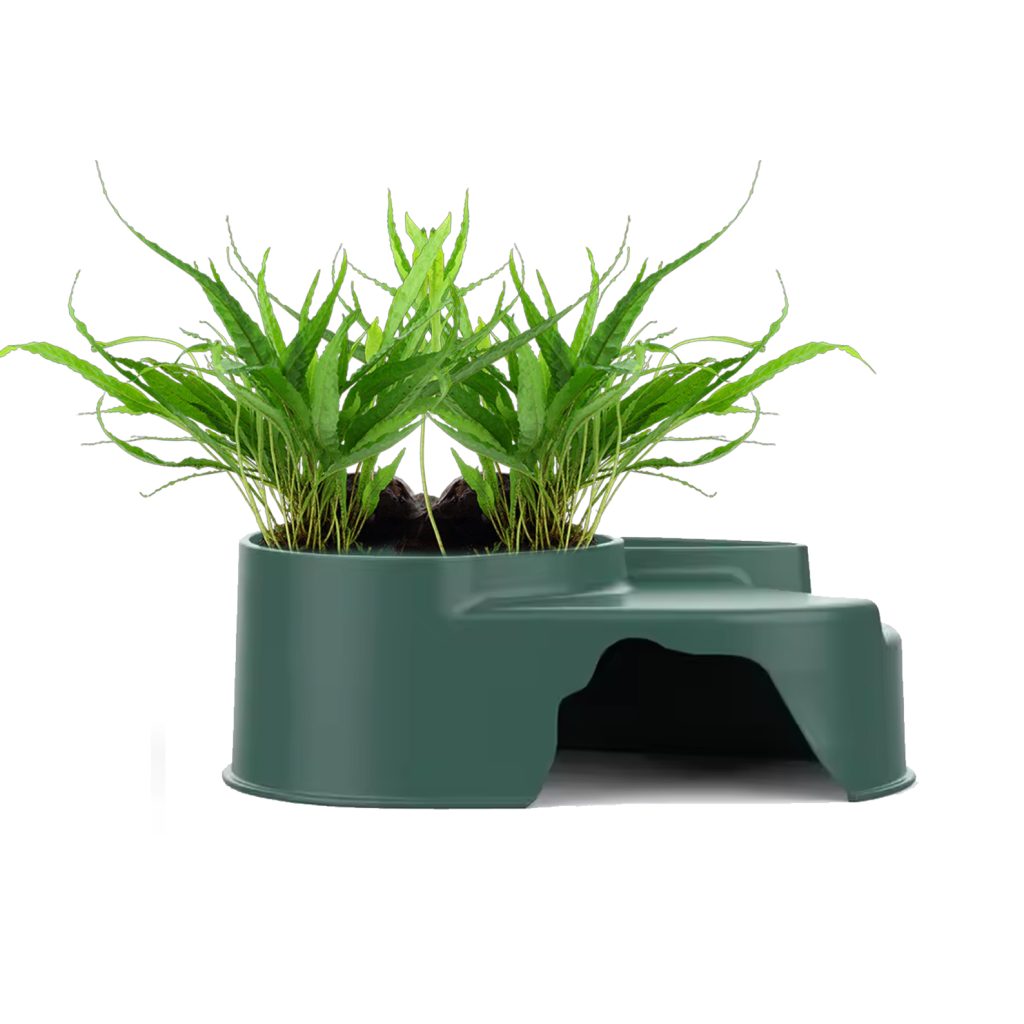
- Caves or Tunnels: Use ceramic caves, PVC pipes, or other hiding spots.
- Plants: Live or fake plants make the tank more enjoyable. Select low-light plants like Java Fern or Anubias.
- Smooth Decorations: Avoid anything with sharp edges to prevent injuries.
Lighting
Keep lighting dim, as bright lights can stress axolotls:
- Low Light: Use gentle lighting or natural light, but avoid placing the tank in direct sunlight.
- No UV Lights: Axolotls don’t need UV lighting and it can harm them.
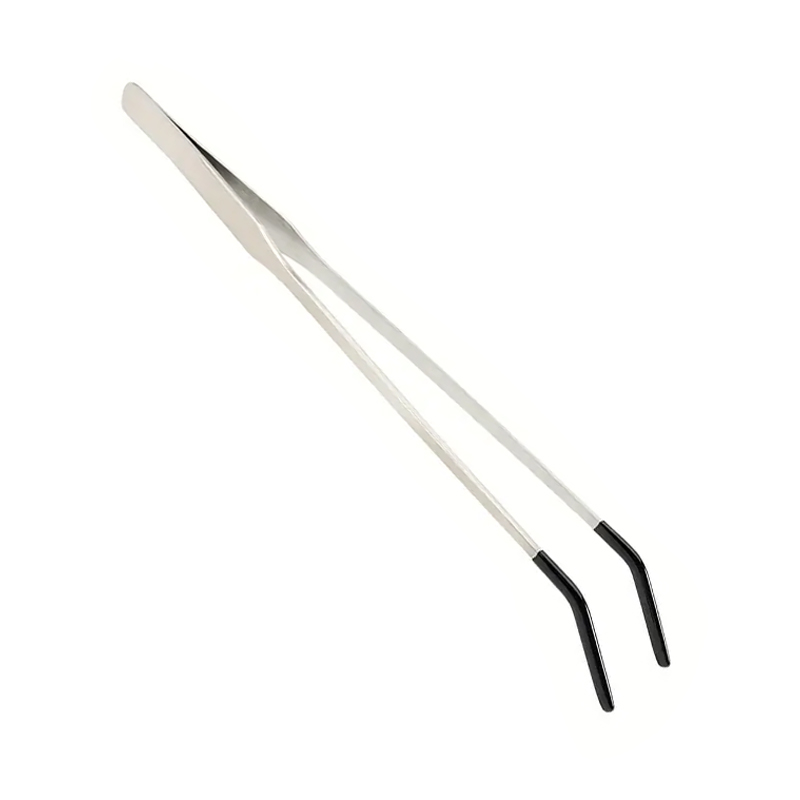
Feeding Tools
Axolotls eat specific foods, so you’ll need the right tools:
- Food: Organic earthworms are the best option, along with frozen , thawed raw prawn are great options.
- Feeding Tongs: Use tongs to give food directly to your axolotl and reduce waste.
Cleaning Supplies
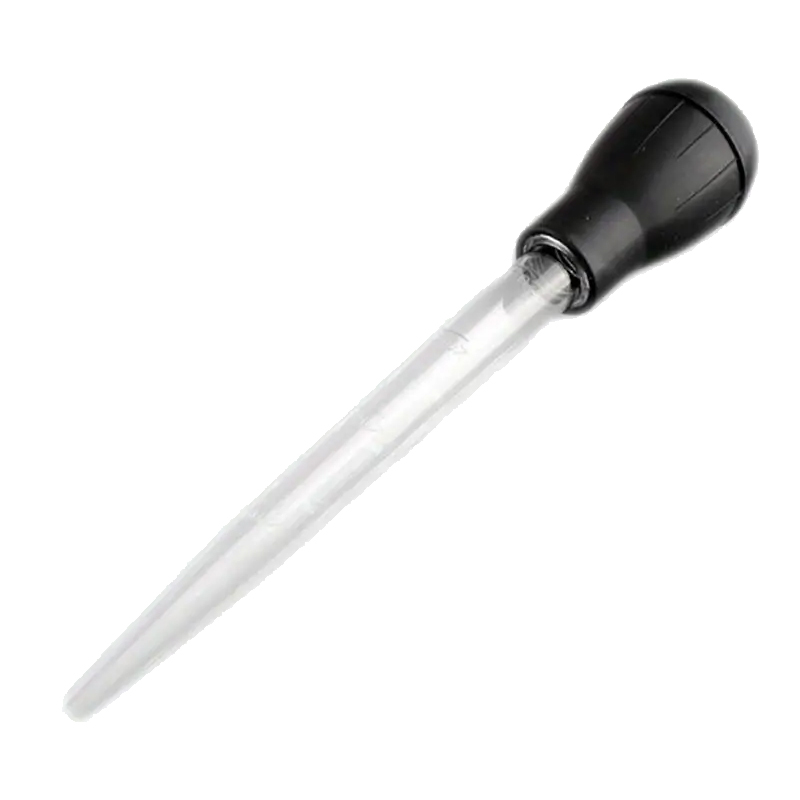
Regular cleaning keeps your tank healthy. You’ll need:
- Siphon: Use this to clean waste and debris from the tank.
- Turkey Baster: A turkey baster with a wide opening is great for sucking up poop as soon as you spot it.
- Bucket: Use a bucket specifically for water changes to avoid contamination.
- Scraper or Sponge: These are helpful for removing algae from the tank walls.
Health Essentials
Keep your axolotl healthy with these items:
- Quarantine Tub: A tub is useful for isolating a sick axolotl or when you want to do a thorough clean and rearrange
- Medications: Have basic treatments for infections or parasites on hand including Methylene blue, Indian almond leaves and black tea.
Extra Tips
- Cycle your tank before introducing your axolotl to stabilize water conditions.
- Research axolotl care to understand their needs. There are a number of posts as well as fact sheets on my website. If you can’t find what you’re looking for, feel free to reach out with questions.
- Keep an eye on your axolotl for signs of stress or illness.
By providing the right supplies and care, you’ll create a great environment for your axolotl. This keeps them healthy, happy, and gives you plenty of joy as their owner.
With the gentle spirit of axolotls,
Take care, I’ll see you soon.
Your Fairy Axomother